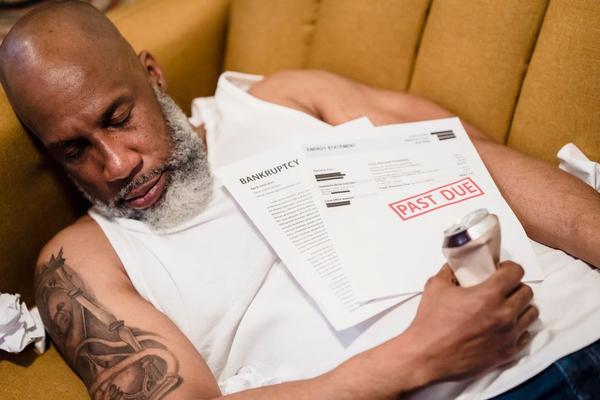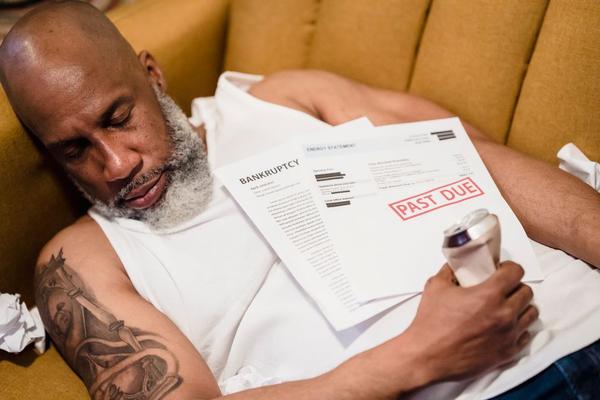
A supplier gets paid for overdue invoices, closes the account, and moves on. Six months later, a letter arrives demanding that the money be returned because the customer filed for bankruptcy. The payment was legitimate, the goods were delivered, and nobody suspected fraud. Yet the demand may still have a legal basis.
That is the unsettling feature of bankruptcy preference payments under U.S. law. Certain transfers made shortly before a bankruptcy filing can be challenged so that one creditor does not receive an unfairly large share while others go unpaid. Understanding the rules helps creditors distinguish a serious bankruptcy clawback claim from a demand they may be able to defend.
Why a lawful payment can become a preference
Section 547 of the U.S. Bankruptcy Code allows a bankruptcy trustee, or another party authorized to pursue estate claims, to avoid certain pre-bankruptcy transfers. The purpose is to promote fair treatment among creditors, not to punish everyone who accepted payment from a struggling business.
A preferential transfer may involve cash, a bank payment, or a security interest granted to secure an older debt. A creditor’s good intentions do not, by themselves, prevent recovery. Equally, receiving money before bankruptcy does not automatically make the transaction avoidable.
The distinction matters for vendors, landlords, lenders, and individuals who receive repayment from a distressed debtor. It also illustrates the difference between secured and unsecured creditors when an estate cannot pay everyone in full.
What the trustee generally must prove
Under Section 547(b), a trustee seeking to avoid a preference generally must establish that the debtor transferred an interest in its property to or for a creditor’s benefit, on account of a debt that already existed. The transfer must have occurred while the debtor was insolvent and within the applicable lookback period.
There is another essential element: the transfer must have allowed the creditor to receive more than it would have received in a hypothetical Chapter 7 liquidation if the transfer had not occurred. That comparison is especially significant when a creditor is fully secured or would otherwise have been paid in full.
For transfers within 90 days before filing, the debtor is generally presumed insolvent, although the presumption can be challenged. The trustee bears the burden of proving the statutory elements; the recipient generally bears the burden of proving an applicable defense under Section 547(c).
Why the 90-day period receives so much attention
The usual preference lookback is the 90 days leading up to the bankruptcy petition. For transfers involving an insider creditor, such as certain relatives or people who control the debtor, the relevant period can extend to one year. Special limitations apply to transfers involving a non-insider for an insider’s benefit.
Timing is more complicated than checking the date printed on an invoice. The legal transfer date may depend on when a payment cleared, when a security interest was perfected, and the property involved. An accurate transaction timeline is often the first step in evaluating a claim.
The distinction between Chapter 7 and Chapter 11 bankruptcy also matters: the hypothetical Chapter 7 comparison can apply even when the debtor’s actual case proceeds under another chapter.
A supplier’s payment that becomes a recovery demand
Imagine a wholesaler supplied restaurant equipment on 60-day credit terms. The buyer fell behind and eventually paid $18,000 for old invoices, 45 days before filing bankruptcy. The wholesaler had no collateral and stopped supplying goods after receiving payment.
If the buyer was insolvent and unsecured creditors will recover only a fraction of their claims, the payment may satisfy several preference elements. The supplier’s argument that it delivered real equipment months earlier is not, alone, a complete defense: the payment retired an antecedent debt.
Now change one fact. After receiving $18,000, the supplier delivered another $7,000 in goods on credit that remained unpaid. That subsequent new value may support a defense reducing the amount exposed to trustee recovery, depending on the transaction history and governing case law.
The latest payment amount rarely tells the whole story. The sequence of invoices, deliveries, credits, and payments can be decisive.
Common preference defenses worth examining
Ordinary course of business
Payments made in the ordinary course of dealings between the debtor and creditor, or according to ordinary business terms, may qualify for protection. Evidence includes earlier invoices, historical payment intervals, customary reminders, and industry practices. A sudden change from routine 30-day payments to a large payment after aggressive collection activity can complicate this defense.
Contemporaneous exchange for new value
A current exchange can be protected when both parties intended a contemporaneous exchange for new value and it was substantially contemporaneous in fact. Payment made at delivery for newly purchased supplies differs from paying a months-old balance. Documents and actual timing remain important.
Subsequent new value
Goods, services, or qualifying credit provided after the challenged payment may support another preference defense. Reconstructing the account chronologically helps determine whether the supplier extended new value after one or more transfers. The defense is fact-sensitive, particularly where the debtor later paid for those additional goods or services.
Other statutory exceptions, including protections for certain security interests and smaller transfers, may apply. They should be checked against current law and the particular bankruptcy case, not assumed from a generic checklist.
What to do after receiving a clawback letter
A demand letter is not a court ruling. Before agreeing to return funds, request identification of the challenged transfers and the trustee’s calculation. Preserve bank records, invoices, delivery confirmations, contracts, credit notes, and correspondence showing normal payment practices.
Build a transaction-by-transaction timeline showing when each obligation arose, when payment occurred, and what goods or services followed. Compare the demand with potential defenses and check whether the recipient was secured. A bankruptcy lawyer can assess procedural deadlines and negotiate where the evidence supports a reduced claim.
Section 550 addresses recovery once a transfer is avoided, including recovery from certain transferees, subject to statutory protections. Recovery is generally for the bankruptcy estate, not a personal windfall for the trustee. Understanding creditor rights during bankruptcy helps recipients assess what claim they may have if money is recovered.
Frequently asked questions
Is every payment made within 90 days recoverable?
No. The trustee must establish the required elements of a preferential transfer, and statutory defenses may protect some or all of the payment. Being inside the lookback window is only part of the analysis.
Can an innocent supplier be asked to repay money?
Yes. Preference law does not necessarily depend on fraud or misconduct. A supplier that honestly collected an existing debt can still face a demand, although ordinary-course, contemporaneous-exchange, or new-value defenses may apply.
Does a demand letter mean repayment is mandatory?
No. A letter states a claim, not a final determination. Recipients should preserve evidence, check deadlines, and evaluate the legal basis before paying, disputing, or settling the demand.
Conclusion
Bankruptcy preference payments create a risk that is easy to miss: money properly received before filing can sometimes be recovered afterward. The strongest response is to examine the timing, creditor status, statutory elements, and complete payment history, rather than focusing only on whether the original debt was genuine. Careful records can turn an alarming demand into a claim that can be evaluated and, where appropriate, defended.