
Forming a business and getting it recognized by the IRS are related steps, but they are not the same step. A state may approve your limited liability company while your business still needs a federal identifier for payroll, tax filings, or banking. That identifier is often an employer identification number, or EIN. Not every founder … Read more

Medical Malpractice Lawsuit Timeline: What to Expect
JasonWashington
A medical malpractice claim rarely moves straight from an injury to a courtroom. Before a judge or jury hears the case, attorneys usually review records, consult medical experts, exchange evidence, and explore settlement. Understanding the medical malpractice lawsuit timeline helps patients distinguish routine delays from meaningful progress—and recognize when a legal deadline cannot wait. The … Read more

Hospital Liability for Doctor Negligence: When the Facility Is Responsible
JasonWashington
When a doctor makes a serious treatment error inside a hospital, patients often assume the hospital is automatically responsible. The legal answer is more complicated. Hospital liability for doctor negligence depends on the physician’s relationship with the facility, how the hospital presented that relationship, and whether the hospital itself breached a separate duty of care. … Read more

Chapter 7 Bankruptcy Process: What Happens From Filing to Discharge
The Chapter 7 bankruptcy process has several stages, and understanding their order makes a difficult financial decision less intimidating. Filing paperwork is only the beginning. A trustee reviews your finances, you answer questions at a creditors’ meeting, and the court determines whether you qualify for a discharge of eligible debts. Most straightforward individual cases take … Read more
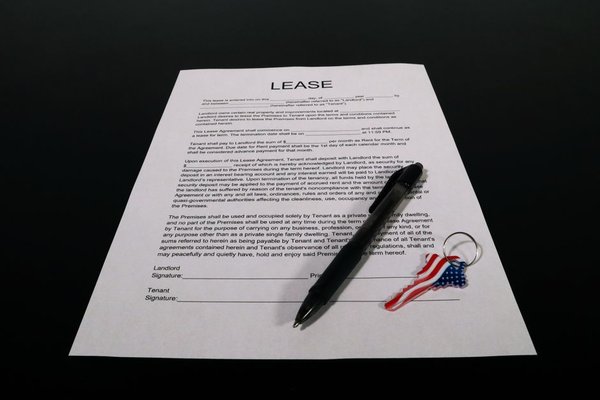
Lease Assignment vs Sublease: Key Legal Differences
A tenant who needs to leave a property before the lease ends may have two ways to pass possession to someone else: assign the lease or sublet it. They can look similar from the outside, especially when a replacement occupant moves in immediately. Legally, however, they create different relationships, and those differences affect rent, landlord … Read more

Month-to-Month Lease Laws: Notice and Termination Rules
A month-to-month rental can feel simple: rent is due each month, and neither side is locked into a long fixed term. The surprise often comes when someone wants to leave, raise the rent, or ask a tenant to move. Month to month lease laws do not follow one nationwide notice rule. The answer depends on … Read more