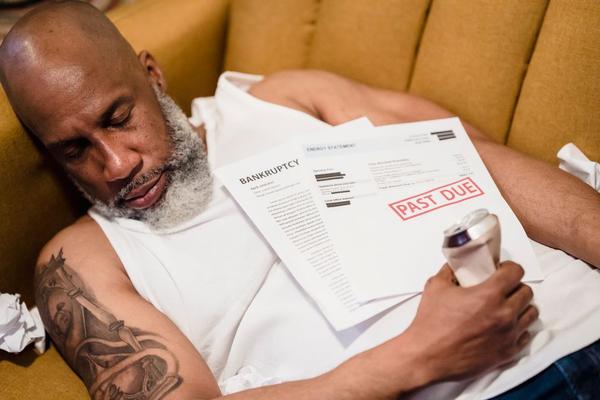
A bankruptcy discharge can clear your responsibility to repay a debt without giving you the right to keep the property securing it. That distinction surprises people with car loans, mortgages, or financed household items. With secured debt in bankruptcy, the question is not simply whether the balance disappears. It is also whether the lender’s claim against the collateral survives.
Your options depend on the bankruptcy chapter, loan documents, property value, and sometimes state law. Understanding those differences can prevent an expensive decision.
Why Secured Debt Is Different
Secured debt is backed by property called collateral. A mortgage generally attaches to a home, while an auto lender typically holds a lien on the vehicle. Upon default, secured creditors may have rights to foreclose or repossess under applicable law.
There are two separate obligations: personal liability to pay the debt and the creditor’s lien against particular property. Bankruptcy may discharge personal liability while leaving a valid lien intact. An unsecured credit card lender generally has no comparable claim to a particular asset.
Understanding how bankruptcy discharge works is therefore only half the story. What happens to the property deserves equal attention.
What Changes When You File?
Filing usually triggers the automatic stay, temporarily stopping many collection actions, including most foreclosures and repossessions. It neither erases bankruptcy liens nor permanently guarantees possession. A creditor can ask the court for relief from the stay, and exceptions can apply, including in certain repeat cases.
Bankruptcy schedules should identify the secured loan, collateral, estimated value, and applicable exemptions. Accurate valuations and lien information matter when choosing what to keep.
Chapter 7: Options for Collateral
Chapter 7 can discharge many eligible personal obligations relatively quickly, but it does not supply a long-term repayment plan to catch up on secured loans. For qualifying personal property, borrowers commonly consider surrender, reaffirmation, or redemption.
Surrender the Property
Surrender means making collateral available to the creditor instead of retaining it. When the remaining personal obligation is dischargeable, the borrower generally can move on without personal liability for the unpaid balance. Surrender may make sense when the property needs costly repairs or payments have become unmanageable.
It does not necessarily mean the lender takes possession immediately. The timing and handling of the property depend on the case and applicable law.
Enter a Reaffirmation Agreement
A reaffirmation agreement is a voluntary written promise to remain personally responsible for an otherwise dischargeable debt, often to retain a financed car. Federal rules require disclosures, a timely agreement before discharge, and filing; court review or approval can be required in some circumstances.
Reaffirmation carries risk. If the lender later repossesses and sells the vehicle for less than the reaffirmed balance, the borrower may face a collectible deficiency under applicable law. Affording payments today does not ensure they will remain affordable. Reaffirmation is not automatically required for every type of collateral; alternatives depend on circumstances and jurisdiction.
Redeem Eligible Personal Property
Under Chapter 7, qualifying individuals may redeem certain tangible personal property intended mainly for household, family, or personal use if it is exempt or abandoned by the trustee. Redemption requires paying the allowed secured claim in full at the time of redemption.
Imagine a car worth $9,000 with $15,000 owed. If the allowed secured claim is $9,000 and redemption is available, paying that amount could let the borrower keep the car without reaffirming $15,000. Finding the required lump sum is often difficult, and financing it can create new costs.
Chapter 13: Restructuring Rather Than Surrendering
Chapter 13 allows eligible individuals with regular income to propose a court-supervised repayment plan, typically lasting three to five years. It can help homeowners address mortgage arrears over time while keeping up with ongoing payments.
Some secured claims can be treated based on the collateral’s legally determined value rather than the full balance, a process often called cramdown. But there are important restrictions, including rules for recently purchased cars and many mortgages secured only by a principal residence. Not every underwater loan qualifies.
Plan confirmation and payment performance matter. Merely filing Chapter 13 does not guarantee that property stays protected indefinitely. For more context, understanding Chapter 13 repayment plans helps explain the importance of a realistic budget.
Do Liens Survive Bankruptcy?
Generally, yes. A valid lien ordinarily remains enforceable after discharge unless it is properly removed or addressed under a specific legal procedure. Some judicial liens impairing exemptions and certain qualifying nonpurchase-money liens can potentially be avoided. Ordinary purchase-money auto liens and home mortgages do not simply vanish with the debt discharge.
Chapter 7 adds another concern: a trustee may sell assets containing substantial nonexempt equity. Reviewing bankruptcy exemptions before filing helps identify that risk. Trustee powers and secured creditor rights are separate issues, but both can affect ownership.
How to Decide Whether Keeping the Asset Makes Sense
Compare the loan balance with a realistic resale value, then calculate the full cost of ownership: payments, arrears, insurance, taxes, and maintenance. Consider the practical consequences of losing the vehicle or home. Property with negative equity may still be worth keeping if the payments are sustainable and replacement would be more expensive.
Request a current payoff statement, check the lien documents, and understand any deficiency exposure before reaffirming. In Chapter 13, examine whether the proposed plan leaves enough for regular living expenses. An experienced bankruptcy attorney can explain state-specific exemption rules and filing deadlines.
Frequently Asked Questions
Can I keep my car after bankruptcy?
Possibly. The answer depends on your bankruptcy chapter, loan terms, exemptions, equity, and ability to pay. Reaffirmation, redemption, or a Chapter 13 plan may be options, but possession is not automatically guaranteed.
Does bankruptcy eliminate a mortgage lien?
Usually not. Even if eligible personal liability is discharged, a valid mortgage lien normally remains enforceable against the home. Nonpayment can still result in foreclosure when legally permitted.
What if the collateral is worth less than the debt?
The difference may affect the treatment of secured and unsecured portions, depending on the chapter and statutory restrictions. Lower market value does not automatically allow someone to keep the property for that price.
Can creditors repossess collateral after discharge?
Yes, when an enforceable lien survives and repossession is otherwise lawful. Discharge generally stops personal collection of discharged debts, not enforcement against pledged property.
The Bottom Line
Secured debt in bankruptcy involves two questions: who remains liable to pay, and who can enforce rights against the collateral? Chapter 7 may permit surrender, reaffirmation, or redemption; Chapter 13 may provide a structured route to keeping property. Choose based on the actual cost and legal consequences of retaining the asset, not the discharge alone.