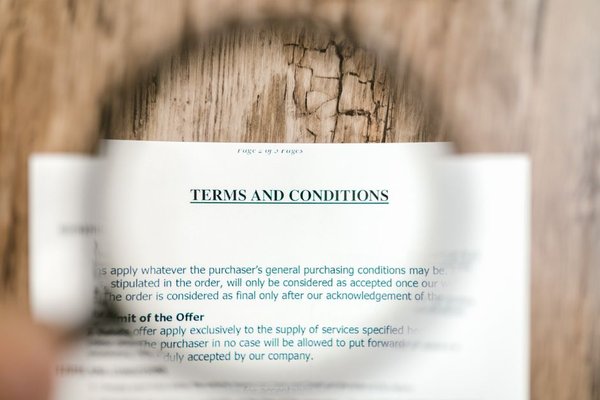
A collection letter arrives for an account you barely recognise. The balance looks unfamiliar, and the sender wants payment quickly. Before handing over money or personal information, you can ask: what records support this claim? Understanding debt validation letter rights helps you ask for answers before deciding how to respond.
Under the federal Fair Debt Collection Practices Act (FDCPA) and the Consumer Financial Protection Bureau’s Regulation F, covered debt collectors must provide information about a debt and explain how to dispute it. The process gives you an opportunity to check the creditor, amount and account history.
What a Debt Validation Notice Must Tell You
A debt validation notice is the collector’s disclosure about an alleged debt. Generally, a covered collector must provide validation information during its initial communication or send a notice within five days afterward, subject to limited exceptions. Some information may be provided orally during the first contact, but a written notice gives you something to retain.
The required information generally identifies the collector, current creditor, account, itemisation date, balance on that date, subsequent interest, fees, payments and credits, and current amount claimed. It explains how to dispute a debt, request information about the original creditor and determine the stated end of the validation period.
Compare the current creditor with any lender, medical provider or card company you remember. Debts may be sold or assigned, so an unfamiliar collector’s name does not automatically mean fraud. Missing details or an unexplained balance, however, are reasons to investigate.
The 30-Day Window: Why Timing Matters
The notice should state the date the collector considers the validation period to end. You generally have 30 days after receiving the validation information to submit a written dispute that triggers a mandatory pause in collection of the disputed amount. The collector must send verification or a copy of a judgment before resuming collection of that amount.
Requesting the original creditor’s name and address in writing within the same period also requires a pause until the collector supplies that information, when the original creditor differs from the current creditor. This is distinct from requesting verification of the balance.
You can still challenge an account after the period ends, but a late dispute does not automatically require the collector to stop collection under this federal procedure. Missing the deadline is not an admission that you legally owe the money.
How to Review the Collection Letter Before Responding
Start with a side-by-side comparison. Check bank statements, past bills and payoff confirmations against the validation notice. Look closely at changes between the itemisation-date balance and the amount demanded today.
For example, suppose a collector requests $840 for an old store card, while your final statement shows $620. The notice might account for interest or fees, but the $220 difference deserves an explanation. A focused dispute can acknowledge that you recognise the account while questioning the added amount and requesting verification.
Watch for mismatched names, duplicate collection attempts and accounts associated with identity theft. If an unexpected caller asks for your Social Security number or banking password, verify the company’s identity independently before sharing sensitive information.
Writing a Debt Dispute That Creates a Clear Record
A useful dispute letter is direct, dated and specific. You do not need a complicated legal argument or an admission that you owe the debt. Identify the collection company and account reference, state whether you dispute all or part of the claimed amount, and request verification.
Details to Include
• Your name and a safe mailing address for the response.
• The collector’s reference number and the date of its debt validation notice.
• A clear statement such as, “I dispute this debt,” or “I dispute the additional $220 claimed.”
• A request for verification and, if needed, the original creditor’s name and address.
• Your preferred safe contact method, where applicable.
Keep copies rather than mailing original documents. Send the letter to the collector’s dispute address. Certified mail or another trackable method helps document delivery. Where an authorised electronic dispute channel is offered, retain your message and its submission confirmation.
For a practical template, see our guide to writing a debt dispute letter.
What Verification Does—and Does Not—Mean
Debt verification rights require a covered collector to pause collection after a timely written dispute until it sends an appropriate response. Federal law does not necessarily require every requested document, such as an original signed contract or complete transaction history, in every case. The adequacy of verification depends on the circumstances.
The law does not set a fixed deadline for the collector to provide verification. It may choose not to respond, but cannot simply resume collecting the disputed debt without meeting the applicable requirement. If its response leaves a material inconsistency unresolved, organise your evidence and consider consumer-law advice.
Do not confuse the validation period with a lawsuit deadline. If court papers arrive, follow the court’s instructions even if you have disputed the debt. See our separate explanation of what to do when sued by a debt collector.
Keep a Paper Trail and Know the Limits
Keep the original message or envelope, validation notice, dispute letter, delivery receipt, responses and a dated log of calls. Record balances and creditor names exactly. This trail can help you identify changing claims and support a complaint if collection continues improperly.
The FDCPA mainly governs third-party debt collectors and certain other covered collectors, not every original creditor collecting its own accounts. State laws may offer additional protections. The Consumer Financial Protection Bureau (CFPB) and Federal Trade Commission publish guidance; you can also submit a CFPB complaint or seek help from your state attorney general.
Read our guide to debt collection harassment rights if repeated calls or misleading threats become part of the problem.
Frequently Asked Questions
Is a debt validation notice proof that I owe?
No. It discloses information about an alleged debt and your options for disputing it. You can review the details and request verification when something appears incorrect.
Can I dispute only part of a debt?
Yes. A timely written dispute can concern all or a portion of the claimed balance. Explain the entry you question and preserve supporting records.
Does a dispute erase the debt or stop collection forever?
No. A timely written dispute generally pauses collection of the disputed amount until the collector provides the required verification or judgment copy. Collection may resume afterward, subject to other laws.
What if I never received a validation notice?
Request the collector’s validation information and document the contact. If a covered collector failed to provide required information, consider a CFPB complaint or consulting a consumer attorney.
A Better First Response Is an Informed One
You need not decide whether to pay the moment a collection letter arrives. Read the notice, compare the figures, mark the dispute deadline and preserve every response. The validation process puts the central question first: is the claimed debt and amount actually supported?