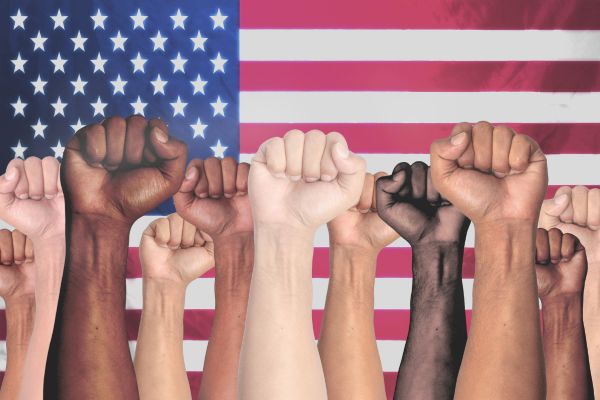
Voter suppression laws. Just reading those words can stir up strong reactions, confusion, or even frustration. And honestly, that makes sense. Voting is supposed to be one of the most basic rights in a democracy, right? Yet, time and time again, we hear debates, court cases, and news headlines about laws that allegedly make voting harder for certain groups. So what’s really going on here? Let’s slow it down, unpack it, and talk about voter suppression laws in a way that actually makes sense.
What Are Voter Suppression Laws, Really?
At their core, voter suppression laws are policies or regulations that make it more difficult for certain people to vote. The thing is, supporters of these laws rarely call them that. They often use terms like “election security,” “voter integrity,” or “fraud prevention.” Sounds reasonable on the surface, you know?
But critics argue that many voter suppression laws disproportionately affect specific communities, including racial minorities, low-income voters, the elderly, students, and people with disabilities. The laws may look neutral on paper, yet their real-world impact tells a very different story.
A Look Back at the History Behind Voter Suppression Laws
To understand modern voter suppression laws, we have to take a quick trip into the past. After the Civil War, the United States technically granted voting rights to formerly enslaved people. But in practice, many states introduced barriers like literacy tests, poll taxes, and intimidation tactics. These weren’t accidents. They were deliberate.
Fast forward to the mid-20th century, and things began to change. The Voting Rights Act of 1965 was a major turning point. It outlawed many discriminatory practices and required certain states with histories of discrimination to get federal approval before changing voting laws. For a while, it worked.
Then came more recent shifts. Court decisions and political changes weakened federal oversight, and suddenly states had more freedom to pass new voting laws. That’s when modern voter suppression laws started gaining traction again, just dressed up in more technical language.
Common Types of Voter Suppression Laws Today
Voter suppression laws don’t always announce themselves loudly. Sometimes they slip in quietly, framed as administrative updates. One common example is strict voter ID requirements. On paper, asking for identification sounds harmless. But in reality, millions of Americans don’t have the specific forms of ID required, and getting them isn’t always easy or cheap.
Another frequent approach involves limiting early voting or mail-in voting. For people working multiple jobs, caring for family, or dealing with transportation issues, fewer voting options can mean no voting at all. The thing is, convenience matters more than some lawmakers want to admit.
Then there’s the issue of voter roll purges. States regularly clean up voter lists, which makes sense to a point. But overly aggressive purges can remove eligible voters by mistake. And if you only find out on Election Day? Yeah, that’s a problem.
Who Is Most Affected by Voter Suppression Laws?
Let’s be real here. Voter suppression laws don’t impact everyone equally. Wealthier voters with flexible schedules, reliable transportation, and easy access to documentation often breeze through the process. Others aren’t so lucky.
Communities of color are frequently hit hardest. Historical inequalities mean these groups are more likely to lack required IDs, face longer lines at polling places, or live in areas where voting locations are reduced. Elderly voters and people with disabilities also struggle when polling sites close or accessibility isn’t prioritized.
Young voters, especially students, are another group often affected. Changes to campus polling stations or residency requirements can discourage or block participation. And when young people vote less, policies tend to reflect that absence.
The Debate Around Election Security
Supporters of voter suppression laws argue that these measures are necessary to prevent voter fraud. They say tighter rules protect democracy. And sure, election integrity is important. No one’s denying that.
But here’s the thing. Numerous studies and investigations have found that voter fraud in the United States is extremely rare. Like, statistically tiny. So critics ask a fair question: if fraud is minimal, why introduce laws that make voting harder for millions?
That’s where the debate really heats up. Is it about security, or is it about controlling who participates? Depending on who you ask, the answer changes.
Legal Battles and Ongoing Challenges
Voter suppression laws rarely go unchallenged. Civil rights groups, advocacy organizations, and individual voters often take these laws to court. Some are blocked, others are modified, and some are upheld.
Court decisions can vary widely depending on the judges involved and the legal arguments presented. And because elections happen so frequently, the legal landscape is constantly shifting. What’s allowed one year might be restricted the next.
This uncertainty alone can discourage voters. Confusion about rules, deadlines, or eligibility keeps people home. Sometimes suppression isn’t about a single law. It’s about creating enough obstacles that people give up.
Media, Misinformation, and Public Perception
Another layer to all of this is how voter suppression laws are discussed publicly. Media coverage, social media debates, and political messaging shape how people understand voting rights. Misinformation spreads fast, especially around election seasons.
Some voters genuinely believe they’re not eligible when they are. Others think their vote won’t count. And when trust in the system erodes, participation drops. That’s not always the result of a law itself, but the environment surrounding it.
Why Voter Suppression Laws Matter to Everyone
You might be thinking, “This doesn’t affect me.” And maybe it doesn’t, at least not directly. But here’s the bigger picture. When large groups of people are discouraged from voting, election outcomes don’t reflect the full population.
That affects policy decisions on healthcare, education, wages, housing, and more. Even if you personally vote without issues, the overall health of democracy depends on broad participation. You know, the more voices, the better decisions.
What Can Be Done Moving Forward?
There’s no single solution to the issue of voter suppression laws. Some advocate for stronger federal protections, while others push for state-level reforms. Expanding early voting, simplifying voter registration, and improving voter education are common suggestions.
Public awareness plays a role too. The more people understand their rights and the voting process, the harder it is to quietly restrict access. And yes, showing up matters. Voting, volunteering, and staying informed all contribute to change.
Final Thoughts on Voter Suppression Laws
Voter suppression laws aren’t just legal jargon or political talking points. They’re real policies with real consequences for real people. And while the debate around them can get loud and messy, the core issue is simple. Voting should be accessible, fair, and inclusive.
The thing is, democracy only works when people participate. When barriers go up, even subtle ones, the system starts to tilt. So whether you’re deeply political or just casually interested, understanding voter suppression laws is important. Because at the end of the day, protecting the right to vote protects everyone’s voice.