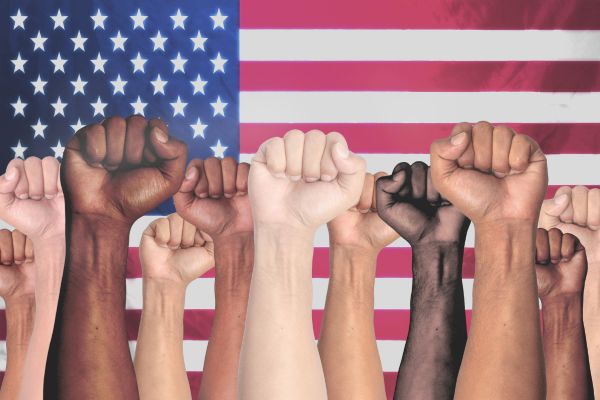
Becoming a U.S. citizen is more than just filling out paperwork—it’s a meaningful step that carries emotional weight, personal history, and a sense of belonging. One of the most important parts of this journey is the civics test, often referred to through commonly searched phrases like naturalization test questions. For many applicants, this part can feel intimidating at first. But once you understand the structure and intent behind the questions, it becomes much more approachable.
This article walks through what these questions are really about, why they matter, and the kinds of topics you should feel comfortable with before stepping into your interview.
Understanding the Purpose Behind the Test
The naturalization test is designed to ensure that new citizens have a basic understanding of U.S. history, government, and civic responsibilities. It’s not meant to trick you or overwhelm you with obscure facts. Instead, it focuses on fundamental ideas—how the government works, what rights citizens have, and key historical moments that shaped the country.
During the interview, an officer will ask up to ten questions from a list of one hundred official civics questions. You only need to answer six correctly to pass. That alone should take some pressure off. Still, familiarity with common naturalization test questions is essential if you want to feel confident walking in.
The Structure of Naturalization Test Questions
When people first start studying, they often expect random trivia. But the questions actually follow a very clear pattern. They fall into a few main categories: government structure, American history, geography, and civic responsibilities.
You’ll notice that many questions are straightforward and direct. For example, instead of asking something complex, the test might simply ask who makes federal laws or what the Constitution does. These are foundational concepts, not trick questions.
What matters most is understanding—not memorizing blindly.
Questions About the U.S. Government
A large portion of naturalization test questions focuses on how the U.S. government is organized. This includes the three branches of government and their roles.
You might be asked about the legislative branch, which includes Congress, or the executive branch, led by the President. The judicial branch, responsible for interpreting laws, also appears frequently.
Questions in this category often revolve around responsibilities. For example, who signs bills into law? Who vetoes bills? Who interprets the Constitution? These are not just facts—they reflect how power is balanced in the system.
Understanding this balance helps applicants connect the answers to real-world governance rather than treating them as isolated facts.
American History Through Key Moments
History-related naturalization test questions often highlight turning points rather than detailed timelines. Think of them as snapshots of important events rather than a full textbook.
You might encounter questions about the American Revolution, the Civil War, or the fight for civil rights. The idea is to recognize why these events matter, not to recall every date.
For instance, questions may ask why the colonists fought the British or what problem led to the Civil War. These are broad but meaningful topics that reveal the country’s values and struggles over time.
Studying history in this context often feels more like storytelling than memorization, which makes it easier to retain.
Geography and Symbols of the United States
Another category of naturalization test questions focuses on geography and national symbols. These questions are usually simple but require attention to detail.
You may be asked to name one of the longest rivers, identify an ocean that borders the United States, or recognize what the flag represents. These are basic but important elements of national identity.
There’s also an emphasis on state knowledge, such as naming your state capital or identifying your current governor. Since these answers can vary depending on where you live, it’s important to study information specific to your state.
Rights and Responsibilities of Citizens
Some of the most meaningful naturalization test questions deal with civic duties and rights. These go beyond facts and touch on what it means to be part of a democratic society.
You might be asked about freedoms guaranteed by the Constitution, such as freedom of speech or religion. Other questions may focus on responsibilities like voting, serving on a jury, or obeying laws.
This section often resonates with applicants because it connects directly to their future as citizens. It’s not just about passing a test—it’s about understanding your role in a community.
The English Portion of the Test
Although the focus here is on naturalization test questions, it’s worth noting that the civics test is only one part of the process. Applicants also need to demonstrate basic English skills through speaking, reading, and writing.
The reading and writing sections are simple, usually involving basic sentences related to civics topics. The speaking portion happens naturally during the interview as you answer questions.
For many people, this part feels more stressful than the civics test itself. But like everything else, preparation makes a big difference.
Common Challenges Applicants Face
Even though the questions are not overly complicated, many applicants still find the process challenging. One reason is anxiety. The idea of being tested in an official setting can make even simple questions feel difficult.
Another common issue is trying to memorize all one hundred questions without truly understanding them. This approach often leads to confusion, especially when questions are phrased slightly differently.
It’s far more effective to study by theme. When you understand how the government works or why certain historical events matter, the answers come more naturally.
Language barriers can also play a role, particularly for those who are not fluent in English. In such cases, practicing regularly and using audio or visual learning tools can be helpful.
Tips for Studying More Effectively
Preparing for naturalization test questions doesn’t have to be overwhelming. The key is consistency and smart study habits.
Instead of cramming everything at once, it’s better to study a little each day. Repetition helps reinforce memory, especially when combined with understanding.
Practicing with someone else can also be useful. Saying answers out loud builds confidence and improves recall during the interview.
Listening to recordings of the questions is another helpful technique. It familiarizes you with how questions might sound when spoken, which is important since the test is conducted verbally.
Why These Questions Matter Beyond the Test
It’s easy to see the naturalization test as just another requirement to complete. But the questions themselves reflect something deeper.
They introduce applicants to the principles that shape everyday life in the United States—democracy, freedom, equality, and civic responsibility. Understanding these ideas helps new citizens engage more fully in their communities.
In that sense, the test is not just about passing. It’s about becoming informed and connected.
A Journey of Preparation and Meaning
For many people, studying naturalization test questions becomes part of a larger personal journey. It’s a time of reflection, learning, and anticipation.
Some applicants study with family members, turning preparation into a shared experience. Others approach it quietly, using it as a moment to connect with their own goals and aspirations.
Either way, the process often leaves a lasting impression.
Conclusion
The naturalization test may seem daunting at first, but at its core, it’s a straightforward assessment of basic knowledge about the United States. By understanding the structure and intent behind naturalization test questions, you can approach the process with clarity and confidence.
Rather than focusing on memorization alone, take time to understand the ideas behind the answers. This not only helps you pass the test but also prepares you for life as a citizen in a meaningful way.
In the end, the journey toward citizenship is about more than a checklist—it’s about becoming part of a story that continues to evolve, one new citizen at a time.